



A recent wound-care example shows how an everyday device can become part of a hybrid care pathway. The real innovation is not the phone itself - it is how technology connects local care, specialist input and better information over time.
When people hear the phrase "digital health technology", they may picture advanced scanners, artificial intelligence or expensive hospital systems. Sometimes, however, digital transformation starts with a device already sitting in someone's pocket.
At HIMSS26 Europe, a wound-care technology was showcased that analyses a short video recorded by a clinician on a mobile device to help assess how a wound changes over the course of treatment. The example is specific, but the wider idea is useful: a simple digital tool can help create a richer record of care and support collaboration beyond the room where the patient is being treated.
Hybrid healthcare is often less about replacing face-to-face care and more about connecting it with useful digital information and remote expertise.
Why wound care is a useful example of hybrid healthcare
Wound care depends heavily on observation over time. Clinicians need to understand whether a wound is improving, deteriorating or changing in a way that requires a different response. Traditionally, that assessment may rely on written notes, measurements, photographs and the experience of the clinician seeing the patient.
Digital video can add another source of information. If images are captured consistently and handled securely, they may help professionals compare changes over time or seek input from colleagues who are not physically present. This can be particularly useful when specialist expertise is located elsewhere.
The important point is not that a smartphone replaces clinical assessment. It does not. The value comes from combining clinical expertise with a digital record that may improve continuity, communication and collaboration.
A small technology can change the care pathway
Once digital information can travel, care no longer has to depend entirely on everyone being in the same place at the same time. A local clinician might capture information during an appointment. A specialist could review it remotely. The next professional involved in the patient's care could have a clearer picture of what has happened between visits.
This same principle appears across hybrid healthcare. Remote monitoring can support chronic disease management. Teleconsultations can connect patients with specialists. Digital rehabilitation tools can extend support beyond a clinic. The technology varies, but the management challenge is similar: deciding how digital and in-person elements fit together safely.
Good technology still requires good practice
Even a simple digital tool creates questions that healthcare professionals need to understand. Is the image or video being captured in a consistent way? Where is it stored? Who can access it? Has the patient given appropriate consent? What happens if the technology produces an unclear result? When should the patient be seen in person?
These questions are a reminder that digital health competence is wider than operating an app. Professionals need to understand information governance, limits of technology, escalation pathways and communication with patients.
They also need to resist the temptation to treat a digital output as automatically objective. Lighting, camera position, image quality and context can all affect what is seen. Technology can support judgement, but it does not remove the need for judgement.
What students could learn from this scenario
A wound-care scenario would make a strong learning activity because it brings together several elements of hybrid healthcare at once.
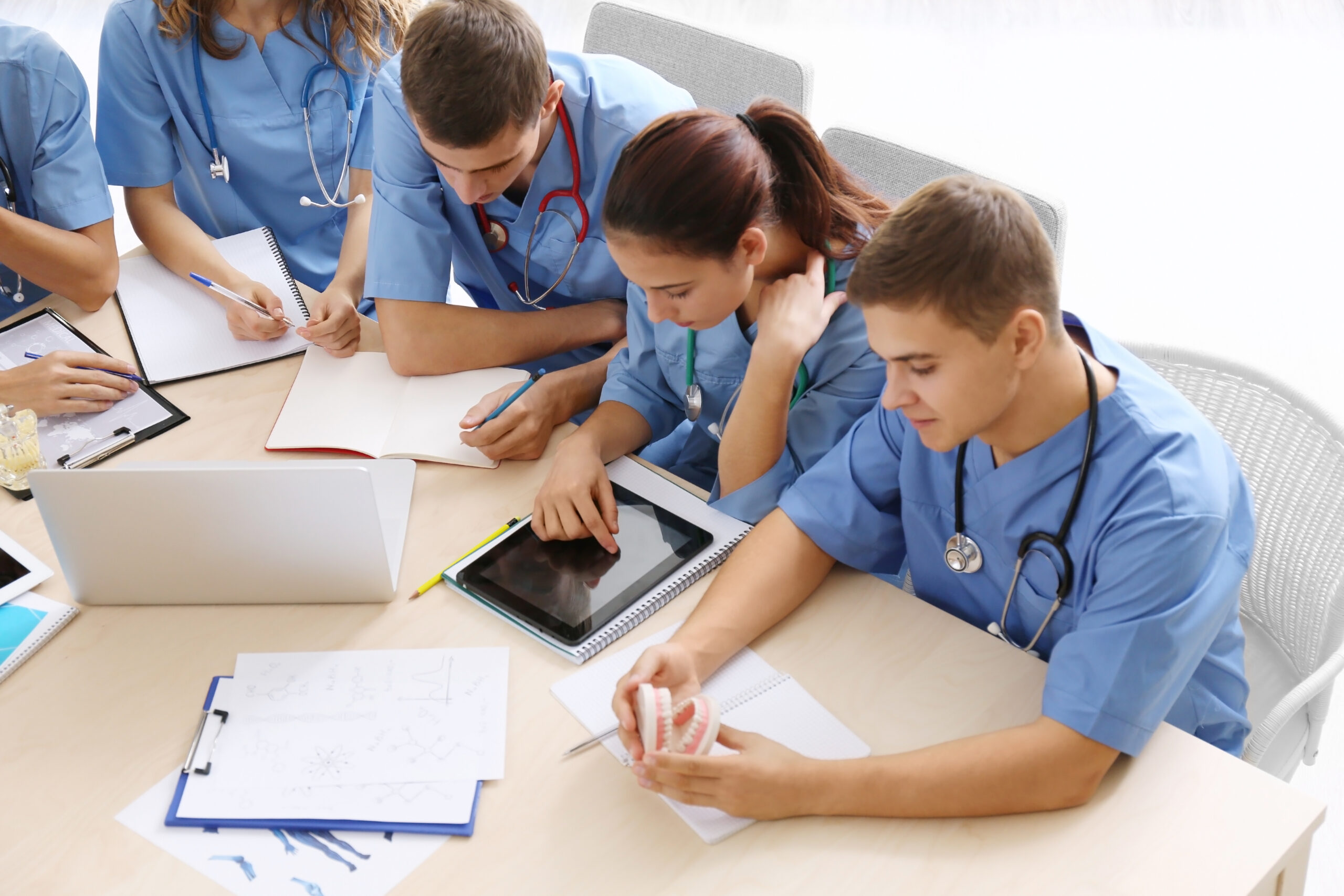
Students could be asked to decide what information should be captured, how to explain the digital process to the patient, when remote advice is sufficient, when an in-person review is required and how to document a decision. They could also discuss privacy, data quality and what to do if the digital tool fails.
That is much closer to real digital practice than simply demonstrating a piece of technology. It teaches students to manage a care pathway in which people, data and technology interact.
What this means for Hybrid Healthcare
Hybrid Healthcare is focused on preparing students and educators for exactly these blended environments. The project combines digital health technologies with hybrid management skills because the effectiveness of a tool depends on how it is integrated into care.
A smartphone on its own is not a healthcare transformation. A smartphone used within a well-designed pathway - with clear roles, secure data handling, professional judgement and access to the right expertise - can become part of one.
That is the practical lesson for healthcare education: students need opportunities to learn not only what digital tools exist, but how to use them alongside people, processes and traditional care.